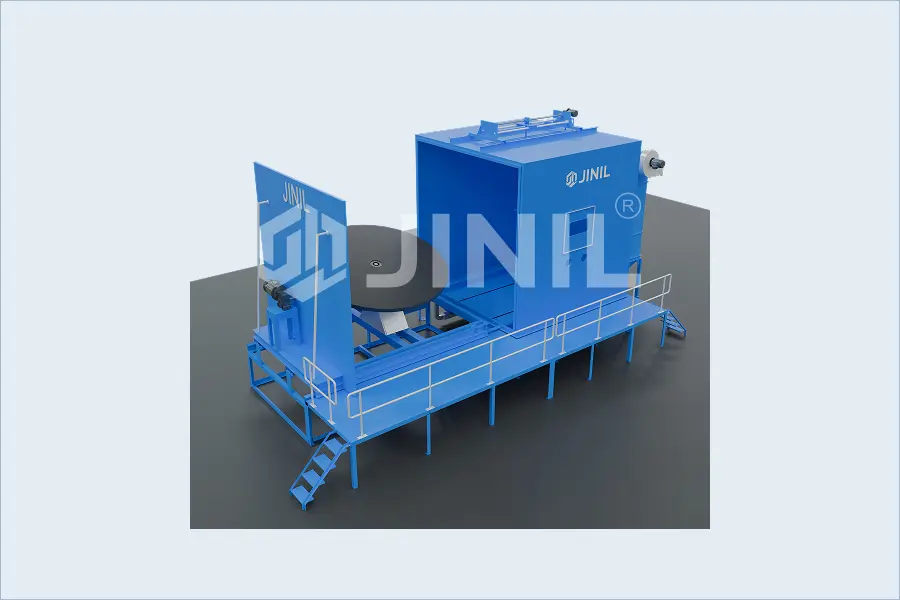
Air-Operated Shot Blasting Cabinet – Suction Type Precision Mould Cleaning Performance

Air-Operated Shot Blasting Cabinet – Suction Type Precision Mould Cleaning Performance

The tyre mould cleaning shot blasting machine is an enclosed suction cabinet built to clean tyre moulds gently and thoroughly. During curing, rubber and release agent bake onto the mould surface and block its fine air vents, which leads to defects on the finished tyres. This machine clears that build-up using soft glass bead media, so the mould is restored without harming its precision faces or engraving.

It is designed as a suction blast cabinet and works on the Venturi effect, which allows the media to be drawn into the cabinet at a relatively slow, low-impact speed, ideally suited to the gentle abrasive effect required for cleaning fragile aluminium moulds. Moulds are placed on a rotating turntable inside the chamber to ensure thorough and uniform blast cleaning from all sides. As a purpose-built tyre mould cleaning machine, it ideally suits the tyre manufacturing and retreading industry where clean moulds with reduced cleaning time are required.

EXCLUSIVELY FOR CLEANING TYRE MOULDS

Smart Process Overview

Working Principle

The machine utilizes Venturi suction. A stream of compressed air passing through the gun produces a vacuum that picks up glass bead media from the hopper, carries it through the gun, and injects it into the air stream that goes toward the tyre mould. The media travels at a smooth, slow rate and lifts out cured rubber and release agent from the mold and the vents, without cutting in.

The mould is seated on a turntable, allowing complete access to each surface and opening. The dirty media, collected in the bottom, passes into the reclaimer, where it is filtered through cyclone action that separates useful media beads from dust and fragments. The reclaimer sends the good media back for work, and the dust collector collects the remaining tiny dust particles.

Built With Precision Components

Main Components

1

Blast Cabinet

A closed steel cabinet big enough to hold a full tyre mould, lined inside to handle daily use.

2

Rotating Turntable

A slow-turning table that spins the mould so every side faces the gun and gets cleaned evenly.

3

Suction Blasting Gun

Pulls glass beads up and sprays them at a gentle speed that cleans the mould without harming it.

4

Glass Bead Media

Soft, round beads that remove cured rubber from the mould without scratching its surface or detail.

5

Abrasive Reclaimer

Cleans the used beads after each pass, sending good media back and taking out dust and waste.

6

Dust Collection Unit

Removes dust from the cabinet while you work, keeping the view clear and the air clean.

7

Inspection Window and Gloves

A clear window with built-in gloves, so the operator can clean the mould safely by hand.

8

Foot Pedal Control

A foot switch to start and stop blasting, leaving both hands free to hold and turn the mould.

Engineered Output Parameters

Standard Technical Specifications

Cabinet Construction MS fabricated with wear-resistant lining
Part Handling Rotating turntable for moulds
Working Pressure 5 – 7 bar
Air Consumption 12 – 30 CFM (depending on nozzle size)
Nozzle Size 4 – 8 mm
Preferred Media Glass beads (mould-safe)
Reclaim System Cyclone reclaimer with dust collector
Electrical Supply 415V, 3 Phase, 50Hz
Cabinet Lighting LED / Fluorescent dust-proof

Related Industries You May Like

Tyre mould cleaning is mainly suitable for tyre and rubber producers, but enclosed cleaning suits any plant that maintains precision moulds and tooling. Tyre manufacturers, retreading units, and rubber component makers rely on it to keep moulds clean and productive.

Complete Support Portfolio

Applications

The suction cabinet is built for cleaning and maintaining tyre moulds and similar precision tooling.

1

Cleaning cured rubber from tyre mould surfaces

2

Clearing blocked mould air vents and micro-vents

3

Removing release agent and curing residue

4

Cleaning the tread pattern and sidewall engraving areas

5

Maintenance of segmented and two-piece moulds

6

Restoring the mould finish to reduce tyre defects

7

Cleaning of related rubber moulding tooling

Operational Performance Benefits

Advantages

The suction design gives tyre plants a safe, economical way to keep moulds clean.

  • Gentle, low-impact cleaning that protects the mould
  • Reaches vents and fine engraving without damage
  • Glass bead media lifts rubber without cutting metal
  • Enclosed, dust-controlled cabinet operation
  • Continuous media recovery keeps the running costs low
  • Turntable gives even cleaning on all faces
  • Reduces tyre defects caused by fouled moulds

Optional Accessories

The machine can be upgraded with accessories based on production needs and application requirements.

Heavy-Duty Turntable Upgrade

Higher-load turntable for cleaning larger or heavier tyre moulds with stable, even rotation.


Vent Cleaning Nozzle Set

Fine nozzles that direct media into blocked vents and micro-vents for thorough clearing.


Cyclone Reclaimer Upgrade

Improves media separation so cleaner glass beads return to the gun for a better finish.


PLC Control System

Automates cabinet functions for easier operation, monitoring, and repeatable cleaning results.


Extra Lighting Package

Brighter internal lighting for clear viewing of detailed tread and engraving areas.


Custom Cabinet Dimensions

Cabinet built to suit specific mould sizes and the plant's production requirements.


Frequently Asked Questions

Clear answers to common questions about Jinil's shot blasting machines, surface preparation solutions, and engineering support, helping you make informed decisions with confidence.
1. What is a tyre mould cleaning blast cabinet? +

It is an enclosed suction cabinet that cleans cured rubber and residue off tyre moulds using glass bead media. The mould sits on a turntable and is cleaned evenly without surface damage.

2. Why are glass beads used for tyre moulds? +

Glass beads are soft enough to lift rubber and release agent without cutting into the precision mould or its engraving, which makes them the preferred media for this tyre mould cleaning sandblasting machine.

3. Can it clean blocked mould vents? +

Yes. The media reaches the fine vents and micro-vents that trap air during curing, clearing the build-up that causes defects on finished tyres.

4. Why choose a suction-type cabinet for this job? +

A suction-type shot blasting machine draws media at a lower, gentler speed than pressure systems, which is safer for delicate aluminium moulds while still cleaning thoroughly.

5. Does blasting damage the mould surface? +

No. With the correct glass bead media and controlled pressure, the process lifts residue while protecting the mould face, vents, and engraving.

6. How is the media recovered? +

Spent beads are drawn to a cyclone reclaimer that separates reusable media from dust, so clean beads return to the gun and waste stays low.

7. Who uses this machine? +

Mainly tyre manufacturers and retreading units, along with rubber component makers who need clean, defect-free moulds with minimal downtime.

8. How does the dust collector help? +

It removes fine dust and worn media during cleaning, keeping the window clear and supporting a cleaner, safer work area.